
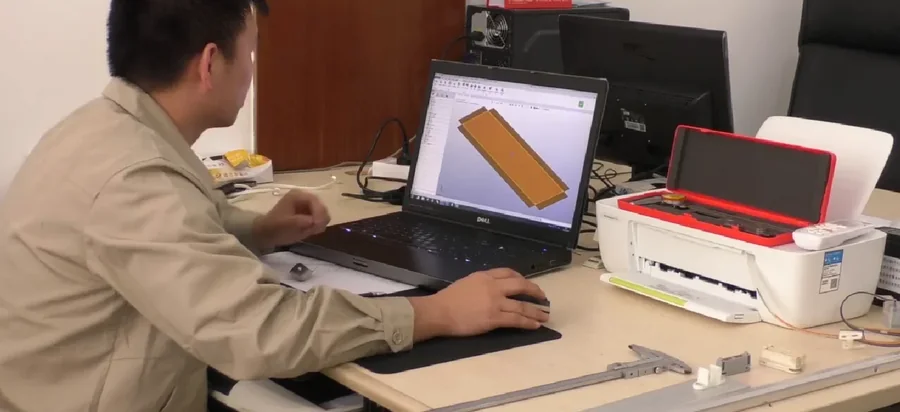
Choosing the factory that will make your product is one of the highest-stakes decisions a young outdoor brand makes. The right ODM partner turns your idea into a shippable, on-spec product at a volume you can actually afford; the wrong one costs you a season and a reputation. Here is the checklist we’d use if we were in your shoes.
1. Can they take your order size?
Many large factories are built for 5,000- to 10,000-unit runs and quietly deprioritise anything smaller. If you’re launching or testing a line, ask about minimum order quantity (MOQ) per model — not per container — and whether they’ll run a few hundred units without a punitive price. A partner set up for small batches is a different kind of company from one optimised for mass volume.
2. Do they design, or only build to your drawing?
An OEM builds exactly what you hand them. An ODM brings its own catalogue, tooling and design capability, so you can start from a proven platform and customise. Ask to see original designs and any patents — it’s the clearest signal that the factory solves engineering problems rather than just cutting metal.
3. Which certifications do they actually hold?
For anyone selling into Europe, North America or Japan, two certificates matter beyond the product itself:
- ISO 9001 — a quality-management system, so build quality is a process, not luck.
- SA8000 — social accountability, increasingly required by Western retailers and marketplaces auditing their supply chains.
Ask for the certificate PDFs and check the legal entity name on them matches the company you’re contracting with.
4. What are the products actually made of?
Materials decide weight, durability and cost. For aluminium furniture, ask which alloy series they use (6063 vs 7075 behave very differently), the fabric denier and type (900D Oxford, canvas), and the hardware. A factory that can explain why it chose a material is a factory that has made the mistake before and learned from it.
5. How does sampling work?
Get clear on sample lead time, cost, and how many revisions are included before tooling is locked. A serious partner treats the sample as the contract: what you approve is what you receive.
6. Do they protect your design?
Your colourway, branding and any bespoke tooling should be yours. Confirm confidentiality in writing, and confirm they won’t resell your exclusive design to a competitor.
7. Have they done it for brands like yours?
Track record is the best predictor. Ask how many brands and markets they serve, and whether they’ve handled the specific product category and destination you need.
ONWAY SPORTS has designed and manufactured original outdoor furniture since 1995, for brands across 80+ markets, with low minimum orders, ISO 9001 and SA8000 certification, and 50+ registered patents. If you’re weighing a manufacturing partner, tell us what you’re building — we’ll come back with real numbers.